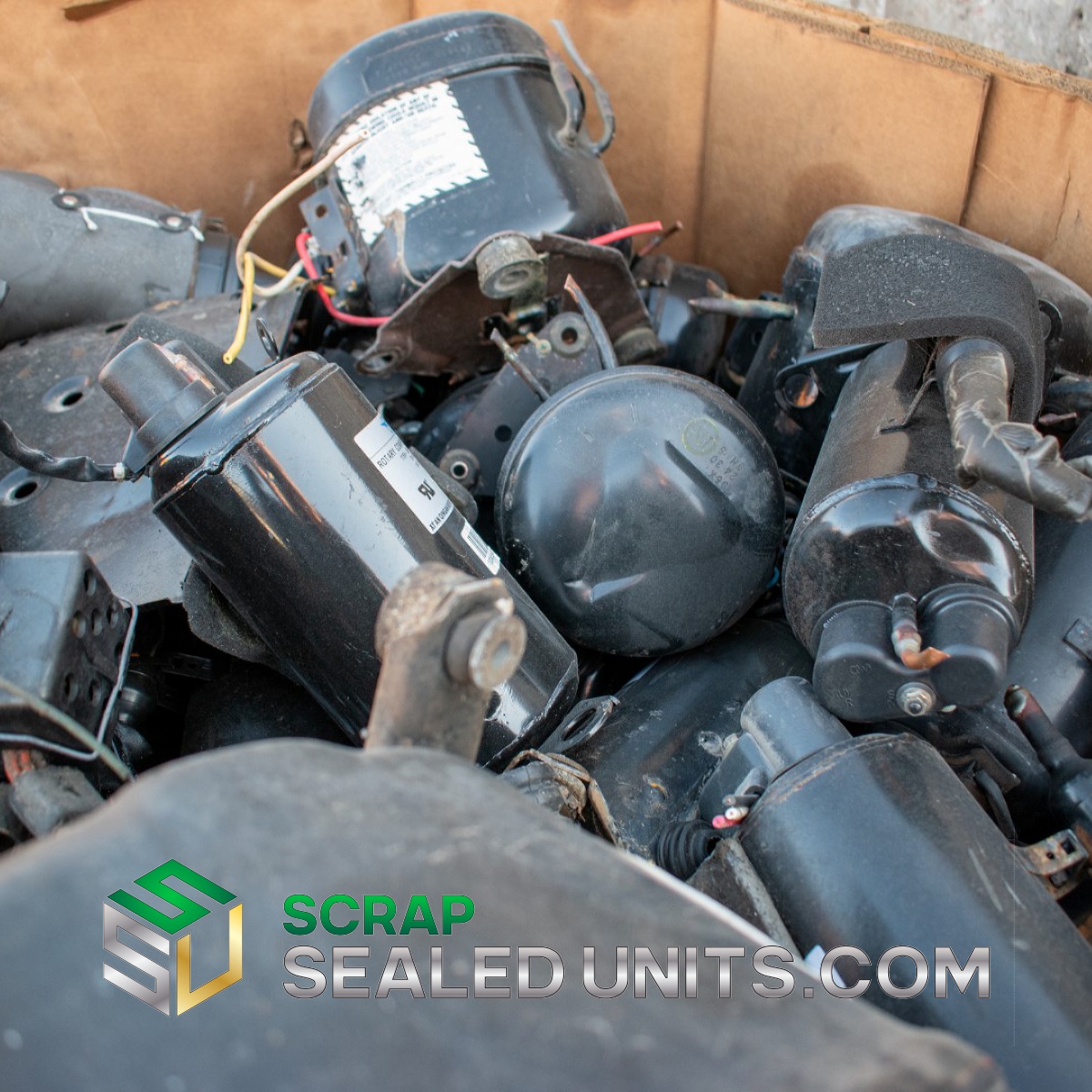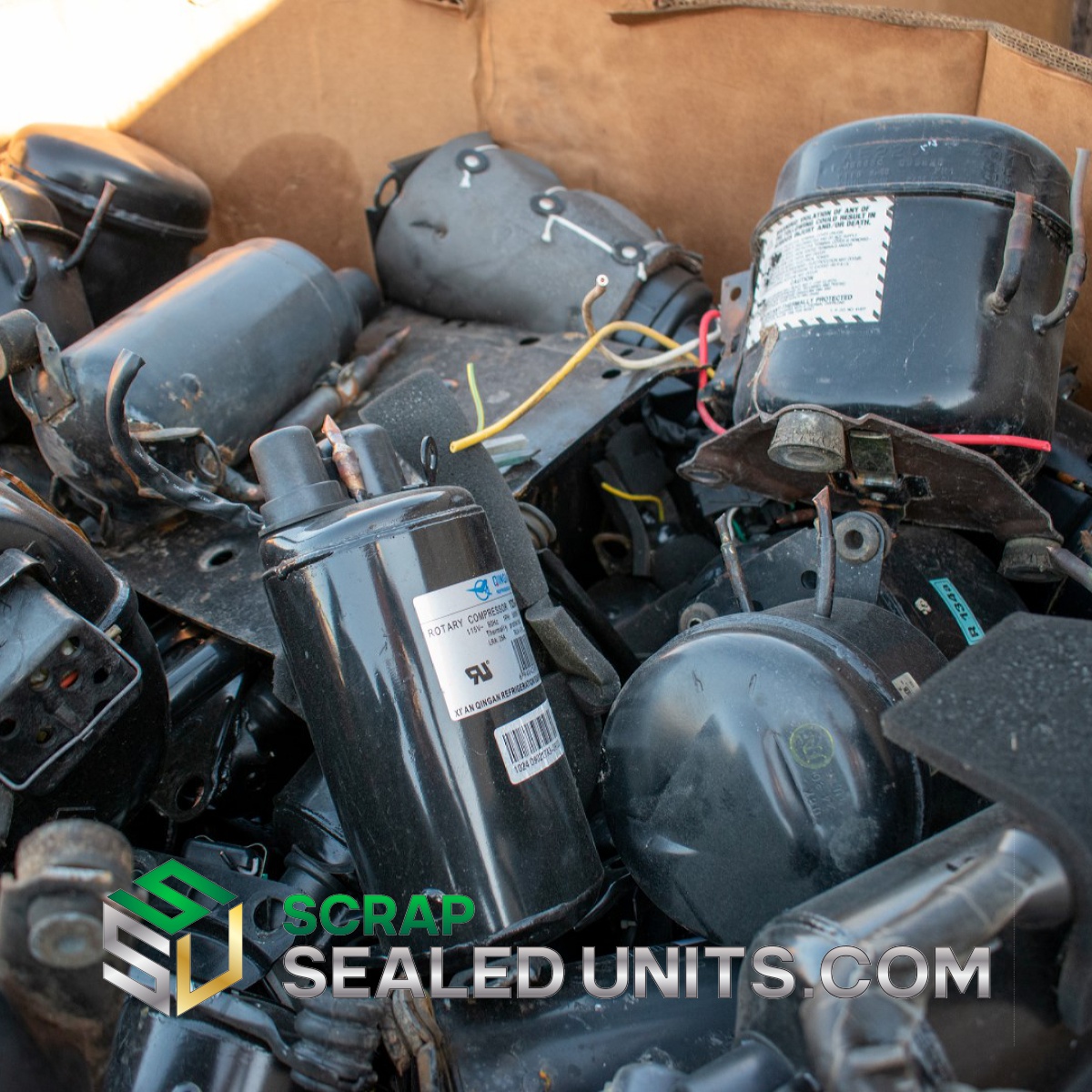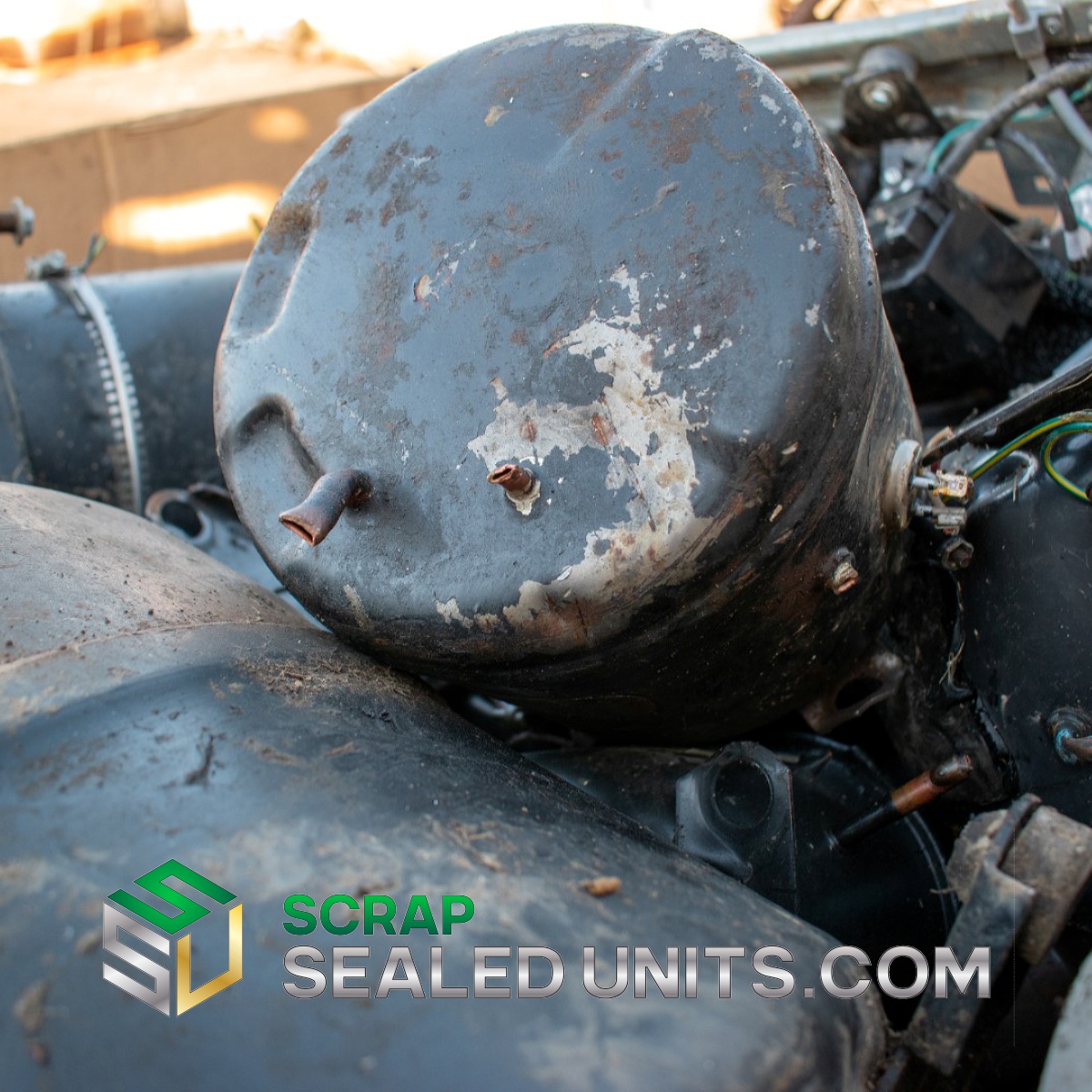
Sealed units are compressors and gas chambers typically found in refrigerators, freezers and air conditioners. They pressurize gas which creates a powerful condensation. After a shelf life of a few days, they become ineffective, large-scale waste. So, manufacturers take these scrap sealed units to scrapyards for recycling.
Sealed units scrap is very large which causes it to take up a lot of space in scrapyards. But, when properly managed, scrap sealed units can avoid taking up space in landfills, oil leaks and having a negative influence on the environment.
Professional recyclers purchase these units and strip them to their individual components. After this, they recycle sealed units and reuse the materials for new units.
Now that the units themselves have been talked about, it is crucial to see the importance of recycling them.
Recycling scrap sealed units…
- Prevents landfill contamination
- Prevents gas leaks
- Reduces pollution
- Protects natural resources
- Reuses valuable materials
Reusing these materials helps to reduce space in landfills, prevents solid waste and prevents contamination. Additionally, sealed units sometimes have punctures in them which allows for gas leakage. These gasses could be toxic (i.e. ammonia) and lead to air pollution.
Also, recycling these units properly protects natural resources and save the environment by diminishing pollution and reusing valuable resources. This is referred to as urban mining.
Finally, sealed units scrap is metallic and contains motors and copper windings constituting the core. While scrap dealers classify inner motors as low-grade scrap, the copper wire is some of the most vital metal scrap. Recyclers reuse this material to create several different items.
However, one must be familiar with how to recycle sealed units.